Arlington, TX. – January 2026 – Gold Rush, a diamond and precious metals buyer operating across Colorado and Texas, is sharing educational guidance to help sellers understand how diamond shapes affect appearance and market perception.
Shape often drives first impressions during evaluation and resale discussions. Clear knowledge of how shape influences visual presence, demand, and pricing helps sellers approach diamond assessments with stronger expectations before review. Trust Gold Rush Arlington Cash for Gold today!
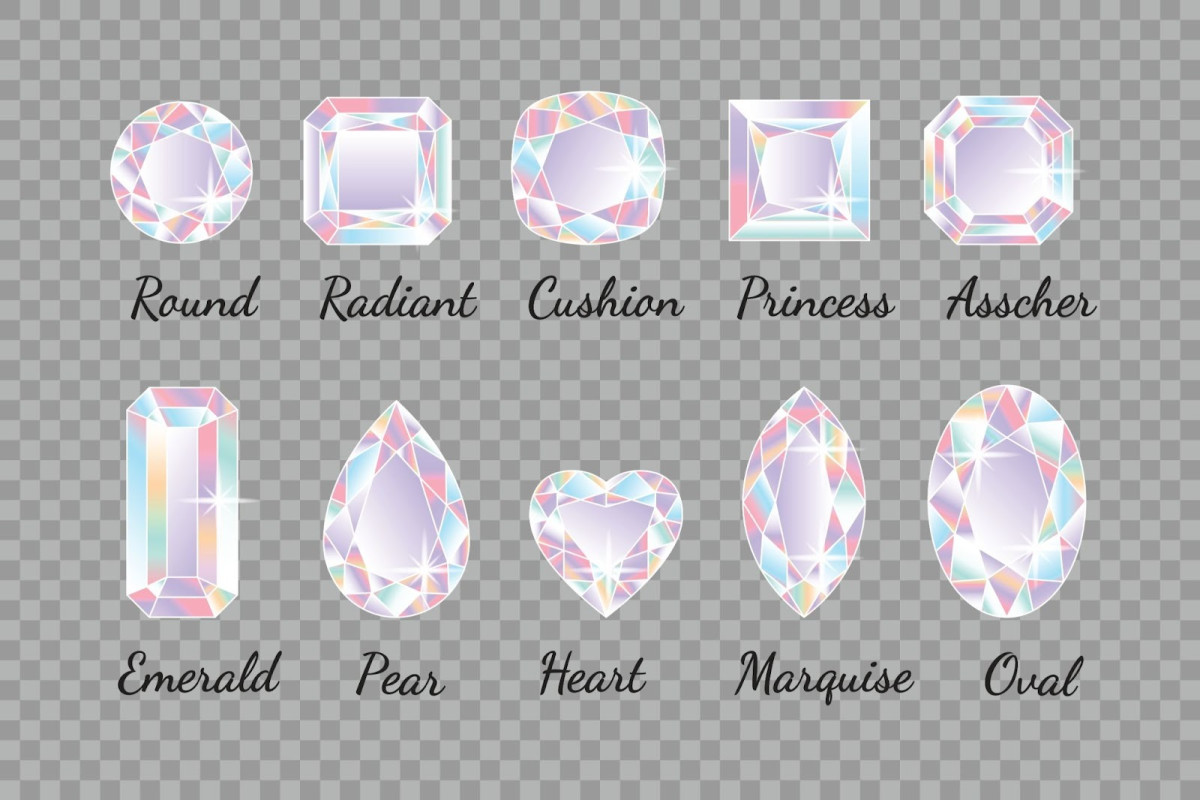
Diamond Shape Refers to Outline, Not Cut Quality
Diamond shape refers to the outline of the stone, not its cut grade or craftsmanship. Many sellers confuse shape with sparkle or brilliance, yet those traits stem from cut quality. Shape defines form. Cut defines performance. A well-cut diamond shines regardless of shape, while a poorly cut diamond looks dull even in popular outlines. Shape affects visual presence and style preference, but grading focuses on measurable factors beyond outline alone.
Shape influences how a diamond looks, not how it performs on its own.
Round Diamonds Offer Balanced Light Performance and Market Demand
Round diamonds dominate the market because their shape supports consistent symmetry and strong light return. Cutters design round stones to maximize brilliance through balanced proportions. Buyers recognize the shape instantly, which supports steady demand and predictable resale interest.
Pricing often remains stable because demand rarely fluctuates sharply. Symmetry also simplifies grading comparisons, making round diamonds easier to evaluate across different sellers and markets.
Fancy Shapes Create Distinct Visual Profiles With Variable Pricing
Fancy shapes include all non-round diamonds and introduce greater variation in appearance and pricing. Oval, pear, marquise, emerald, cushion, and princess shapes each display light differently based on outline and depth. Elongated shapes often appear larger than their carat weight suggests, which appeals to some buyers. Pricing varies more widely due to differences in demand, cutting styles, and visual balance.
Shape preference plays a stronger role in valuation for fancy cuts.
Elongated Shapes Often Appear Larger Than Their Carat Weight
Elongated diamond shapes appear larger because their surface area spreads weight across length rather than depth. Oval, marquise, pear, and emerald cuts stretch outward, which creates a bigger face-up look compared to round stones of equal carat weight. Length-to-width ratios drive this effect. Shallow depth increases spread, while deeper cuts hide weight below the surface. Visual size comes with tradeoffs. Excessively shallow stones lose light performance, while deeper stones sacrifice visible size.
Shape Influences Market Demand and Resale Expectations
Shape influences resale expectations because buyer preferences shift over time and vary by market. Round diamonds maintain consistent demand due to familiarity and versatility.
Fancy shapes experience stronger pricing swings tied to trends and fashion cycles. Some buyers seek elongated shapes for visual size, while others prioritize traditional outlines. Resale demand varies based on shape popularity at the time of sale. Market conditions, not personal taste, ultimately guide pricing outcomes.
Market demand shapes value just as much as appearance.
Understanding Diamond Shapes Supports More Informed Selling Decisions
Understanding diamond shapes helps sellers approach evaluations with realistic expectations. Shape knowledge explains why two diamonds with similar weight receive different responses from buyers. Awareness of visual spread, demand patterns, and pricing behavior reduces confusion during review.
Gold Rush provides educational insight based on daily in-person evaluations, helping sellers understand how shape influences appearance and market perception without pressure.

About Gold Rush
Gold Rush is a diamond and precious metals buyer operating locations across Colorado and Texas. The company evaluates diamonds, gold, silver, platinum, and palladium through in-person assessments. Staff members conduct transparent reviews using standardized evaluation methods. Gold Rush focuses on measurable data and clear explanations to support informed selling decisions.